Welcome to the estate

We welcome you to the estate Monday to Friday, 9am to 12pm and 2pm to 5pm, and weekends by appointment. To book your tasting, call +33 3 86 47 50 59 or email chablis@courtault-michelet.com.

Address: 1 route de Montfort, 89800 Lignorelles, France.

Want to take our wines home? We offer sales at the estate and shipping for those living further away. Group your orders with friends, family or colleagues: transport will cost you less.

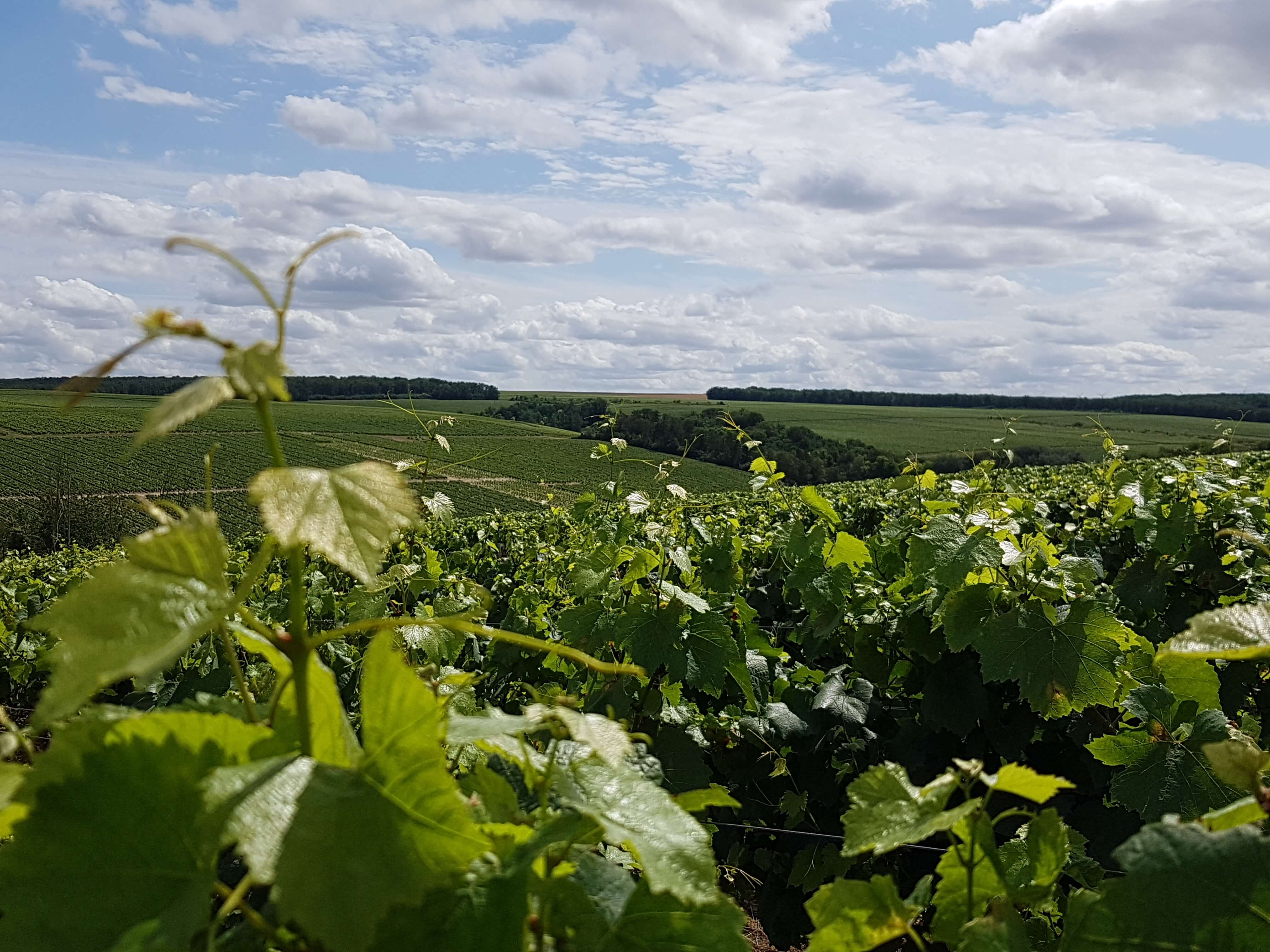
The estate sits at the top of the hill of Lignorelles, one of the 20 wine villages around Chablis. Surrounded by vines, it opens onto wide views over the Chablis vineyard.

We offer the four appellations of the Chablis region: Petit Chablis, Chablis, Chablis Premier Cru and Chablis Grand Cru. Since 2017, we have also farmed a plot of Bourgogne Épineuil, 20 km east of Chablis, planted with Pinot Noir.

Our tasting and sales cellar awaits you. Book your visit now.

See you soon at the estate,
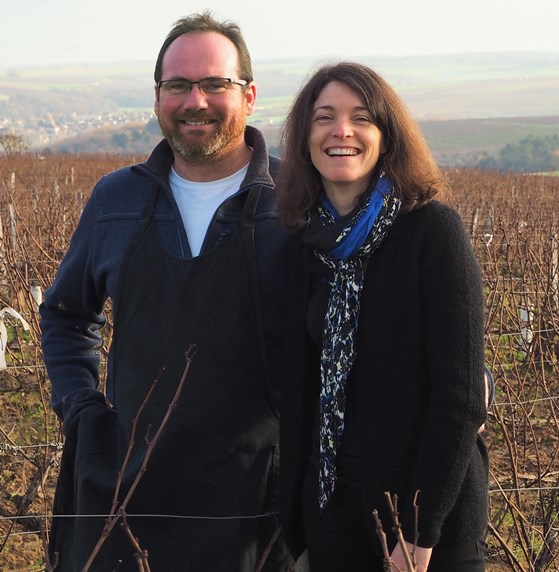
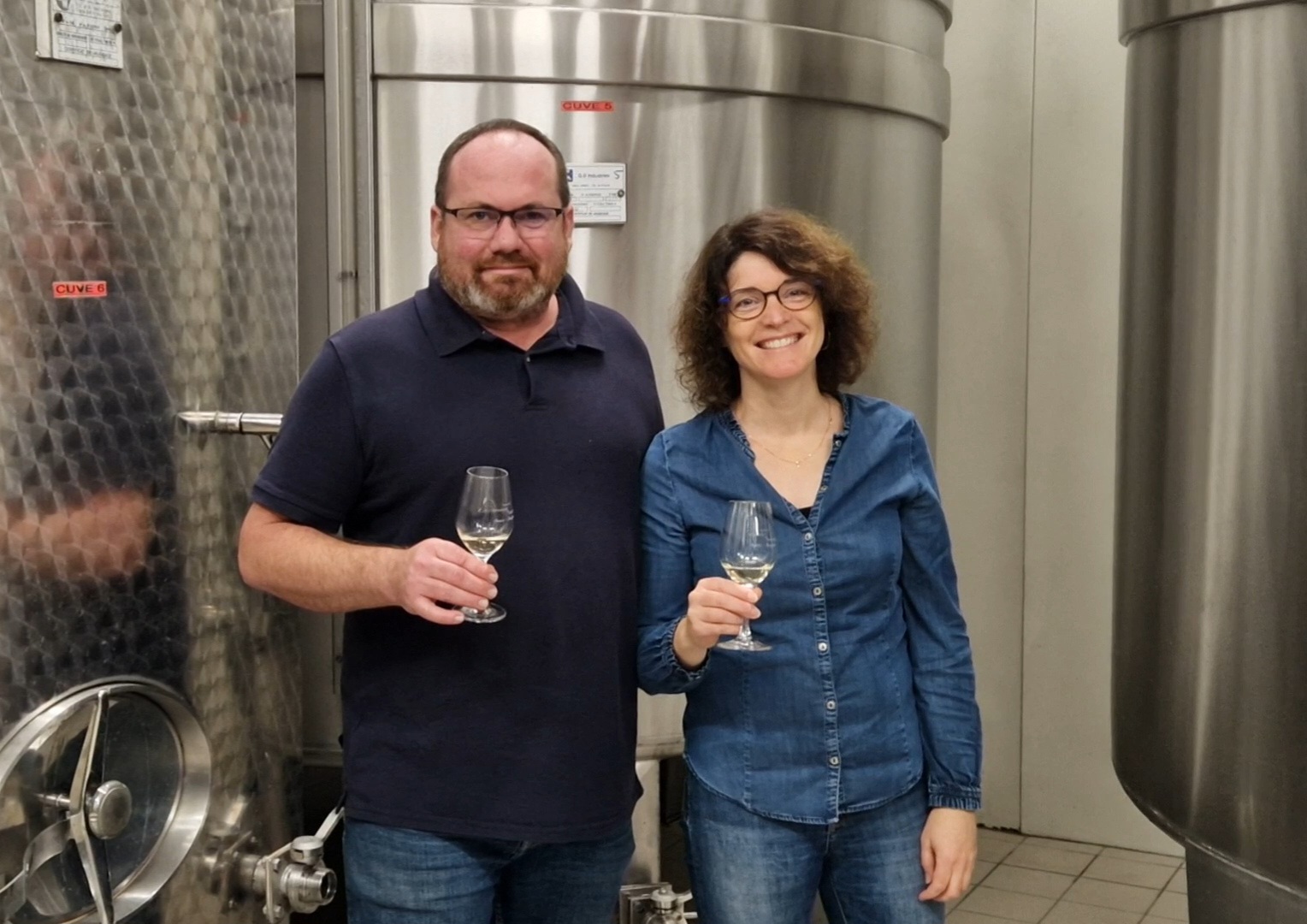
Stéphanie and Vincent Michelet

The Estate

A family story


Stéphanie and Vincent Michelet

Our History

Domaine Courtault Michelet is a family estate founded in 1984. Stéphanie and Vincent Michelet are the second generation at the head of the estate.

  • 1984: founding of Domaine Jean-Claude Courtault by Stéphanie's parents
  • 1995: construction of the winery
  • 2007: Stéphanie and Vincent start working at the estate and develop their own vineyard in parallel
  • 2008: creation of Domaine Stéphanie et Vincent Michelet. The two estates work closely together, pooling resources.
  • 2019: Stéphanie and Vincent take over the Courtault estate
  • 2021: merger of the two estates to create Domaine Courtault Michelet

Our Vineyard

A 27-hectare vineyard.

The vineyard is spread over 5 communes of the Chablis region: Beine, Lignorelles, Villy, Maligny and Chablis, plus a plot of Pinot Noir in Épineuil (20 km east of Chablis).

Over two generations, we have planted all the vines of the estate, except for the 60-year-old vines from which we make the Chablis La Croix Saint Augustin cuvée.

For sustainable viticulture

HVE 3 certification Certified HVE 3

We practise reasoned viticulture, respecting our environment. We favour ploughing and the grassing of headlands and tractor passes to preserve biodiversity. We limit interventions in the vines according to vineyard observations and the weather. We make plots available to the Chamber of Agriculture for trials or observations.

The vineyard of Domaine Courtault Michelet
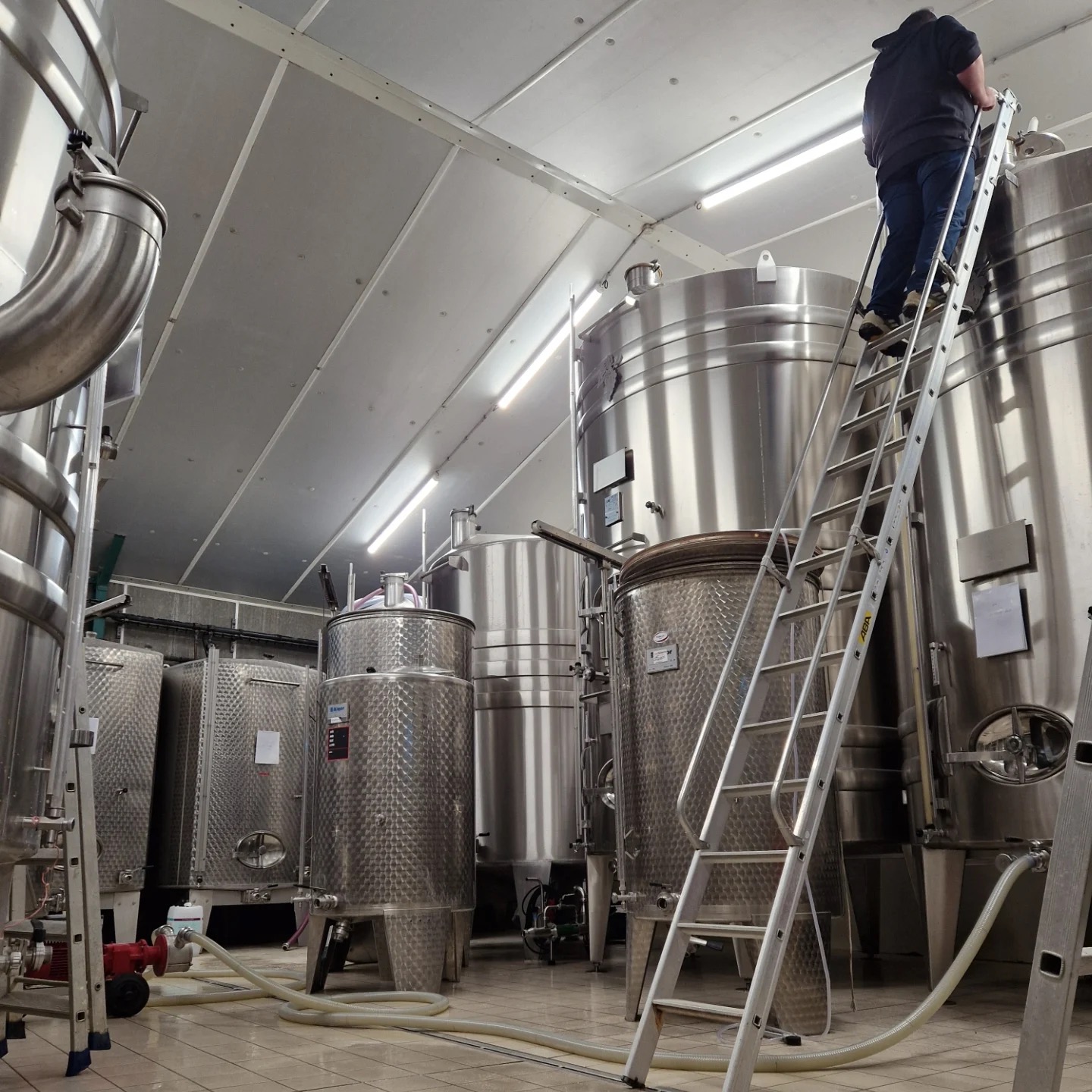
The estate's cellar

Our Expertise

Wines of terroir

Both graduates in agronomy and oenology, Stéphanie and Vincent seek to craft wines in which the terroir can fully express itself. The goal is to preserve freshness, while having a beautiful aromatic palette and enough substance to let the wines age. They favour long ageing on fine lees, mostly in stainless steel.

The harvest

It takes place in September. Goal: harvest grapes at optimal ripeness.
Chardonnay: balance of sugars and acids / aromatic ripeness.
Pinot Noir: balance of sugars and acids / phenolic ripeness (colour and tannins).

The estate's cellar

Fermentation and ageing

Whites: vinification mainly in stainless steel, except for a few cuvées (the Premier and Grand Crus) partly vinified in oak barrels. The whole cellar is temperature-controlled. After alcoholic fermentation we seek malolactic fermentation. The wines are then aged on fine lees for 8 to 10 months.

Reds: the harvest, entirely destemmed, goes into the vat for a cold pre-fermentation phase. Twice a day the juice is pumped over the cap to extract tannins and colour (pumping over). After alcoholic fermentation and pressing, the wines are put into barrels. Then aged for 14 to 18 months (half in barrel, half in vat).

Bottling at the estate: we bottle our wines ourselves, with our own machine fitted with a rinser and nitrogen dosing, at a reasonable rate of 1,800 bottles per hour.

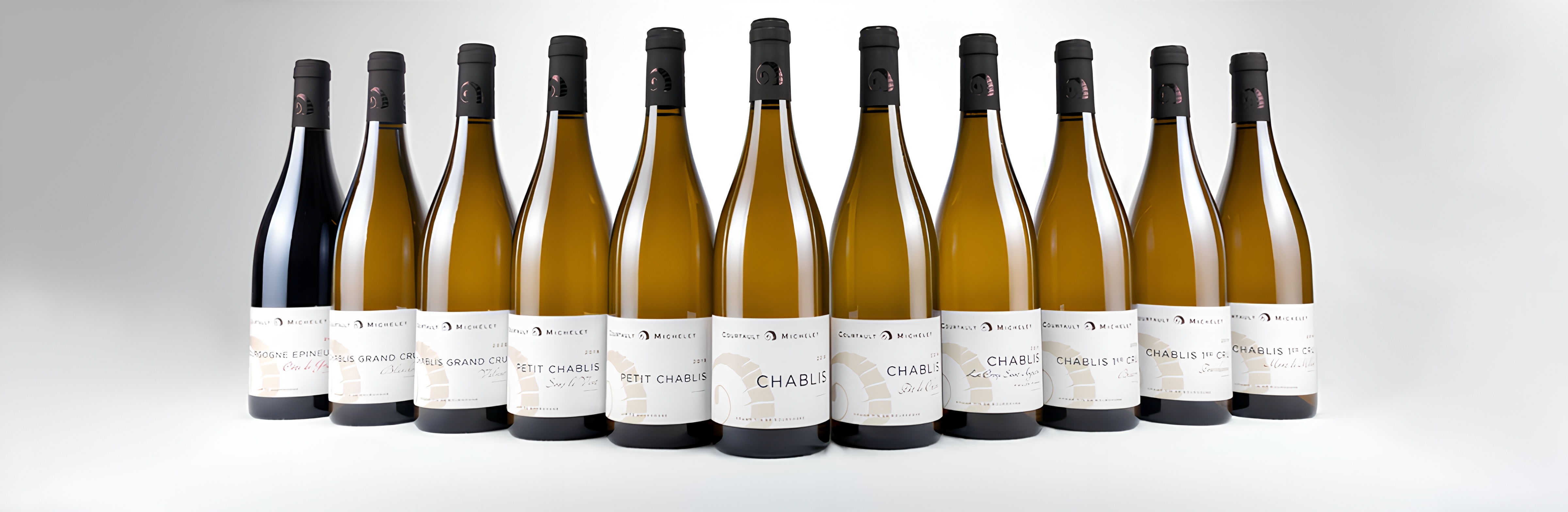
Range of Domaine Courtault Michelet bottles

Our Wines

Chablis, from terroir to bottle


We cultivate our vines and vinify the wines with the aim of expressing the terroir. Subtle differences emerge depending on the location of the vines for wines of the same appellation. These differences perfectly reflect the effect of the terroir on the aromatic expression of the wines. This allows us to offer you a wider range of wines, with a mineral or fruity expression. The choice is yours, according to your taste and desires. Chablis wines are among the great white wines of Burgundy, made from the Chardonnay grape. Our wines are appreciated in their youth for their freshness and citrus aromas. After a few years in the cellar they are round and full-bodied. Bourgogne Épineuil is a wine made from the Pinot Noir grape: the king grape of Burgundy, it gives wines with aromas of small red fruits and supple tannins. They have an excellent aptitude for ageing, especially in magnum.

Petit Chablis

The Chablis region is a very hilly area shaped by the river Serein and its tributaries. The Petit Chablis appellation corresponds to the vines located on the plateaus. The estate farms 15.50 ha of Petit Chablis, mainly in the north-west of the Chablis region (Beine, Lignorelles, Maligny). We vinify two cuvées separately, depending on the terroirs they come from. Petit Chablis are fresh, light and fruity wines with a lovely mineral liveliness.

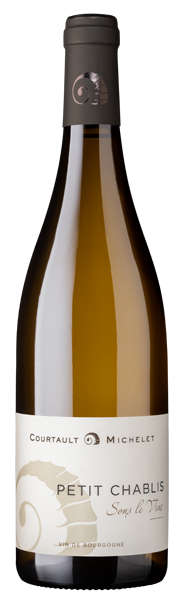
Petit Chablis Sous le Vent

Petit Chablis Sous le Vent

Petit Chablis · 2025
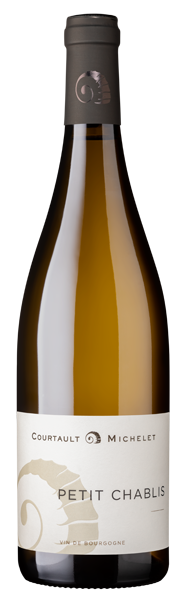
Petit Chablis

Petit Chablis

Petit Chablis · 2024

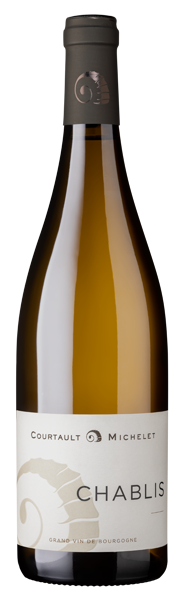
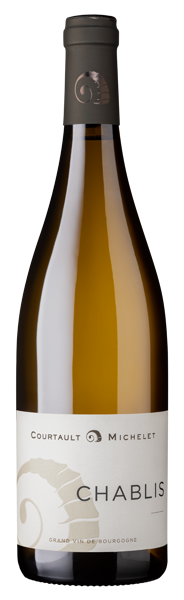
Chablis

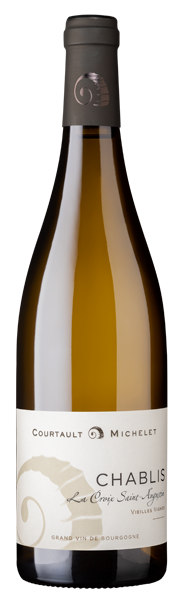
From vines on slopes. Limestone terroir with small comma-shaped oyster fossils (Kimmeridgian). A very fine wine with aromas of yellow fruit. Structured and well balanced. The minerality expresses itself through gunflint notes revealing the effect of the terroir.

La Croix Saint-Augustin Vieilles Vignes

La Croix Saint-Augustin Vieilles Vignes

Chablis · 2023
Chablis

Chablis

Chablis · 2025
Chablis Magnum

Chablis Magnum


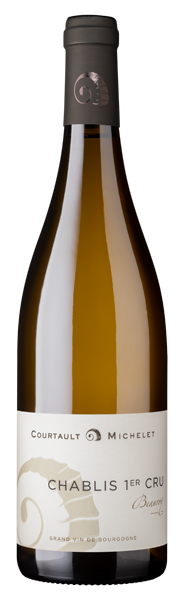
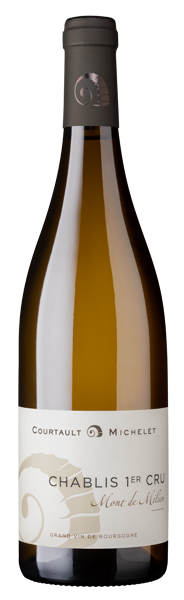
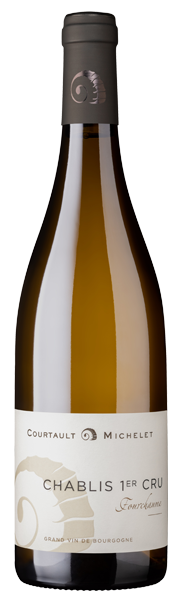
Chablis Premier Cru

Vines planted on steep slopes with the most favourable exposure (south / south-east). Limestone terroir with Ostrea virgula oyster fossils (Kimmeridgian).

Beauroy

Beauroy

Chablis Premier Cru · 2024
Mont de Milieu

Mont de Milieu

Chablis Premier Cru · 2024
Fourchaume

Fourchaume

Chablis Premier Cru · 2023

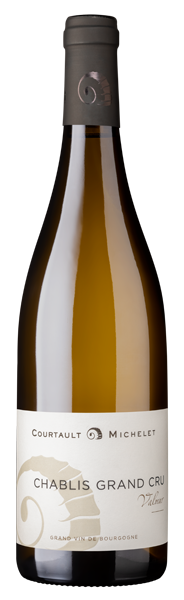
Chablis Grand Cru

From the finest terroirs of the Chablis region, ideally exposed on slopes where the Kimmeridgian outcrops, Chablis Grand Cru is a wine for long ageing, with perfect balance, where Chardonnay expresses itself in wonderful variations.

Valmur

Valmur

Chablis Grand Cru · 2023

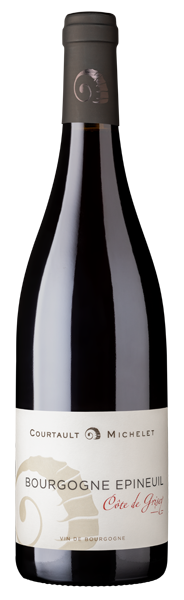
Bourgogne Épineuil Pinot Noir

Épineuil is a village near the town of Tonnerre, 20 km east of Chablis. Terroir: the “Côte de Grisey” is a lovely hillside, sheltered from the wind, facing south / south-east. With a magnificent limestone terroir; the slope is steep and the soil shallow, which leads the vine roots to plunge directly into the limestone subsoil, giving a wine of character.

Côte de Grisey

Côte de Grisey

Bourgogne Épineuil Pinot Noir · 2023

The vine cycle

The 4 Seasons


Spring

Spring

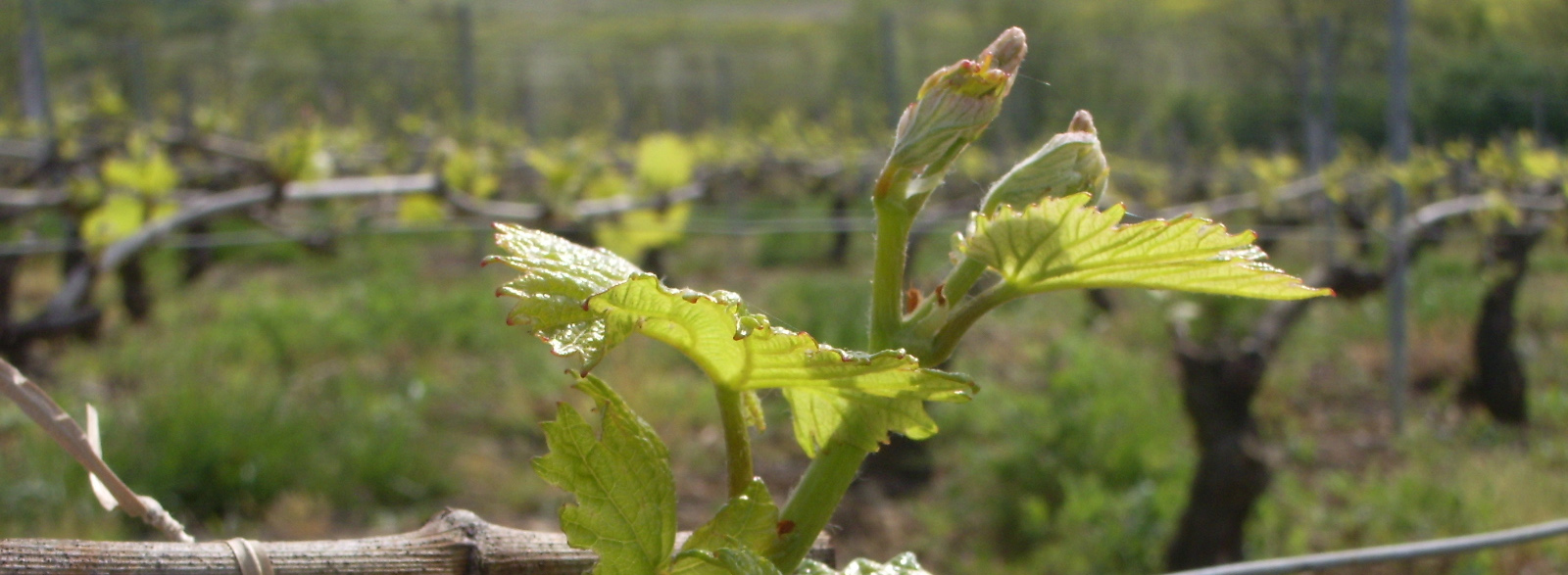
Nature awakens

When the sap rises, we say the vine weeps. The “bud in cotton” stage, then green tip. Budburst has begun: first spread leaf, 2-3 spread leaves, and the inflorescences already appear. The vine grows and the vineyard turns green.

Frost protection

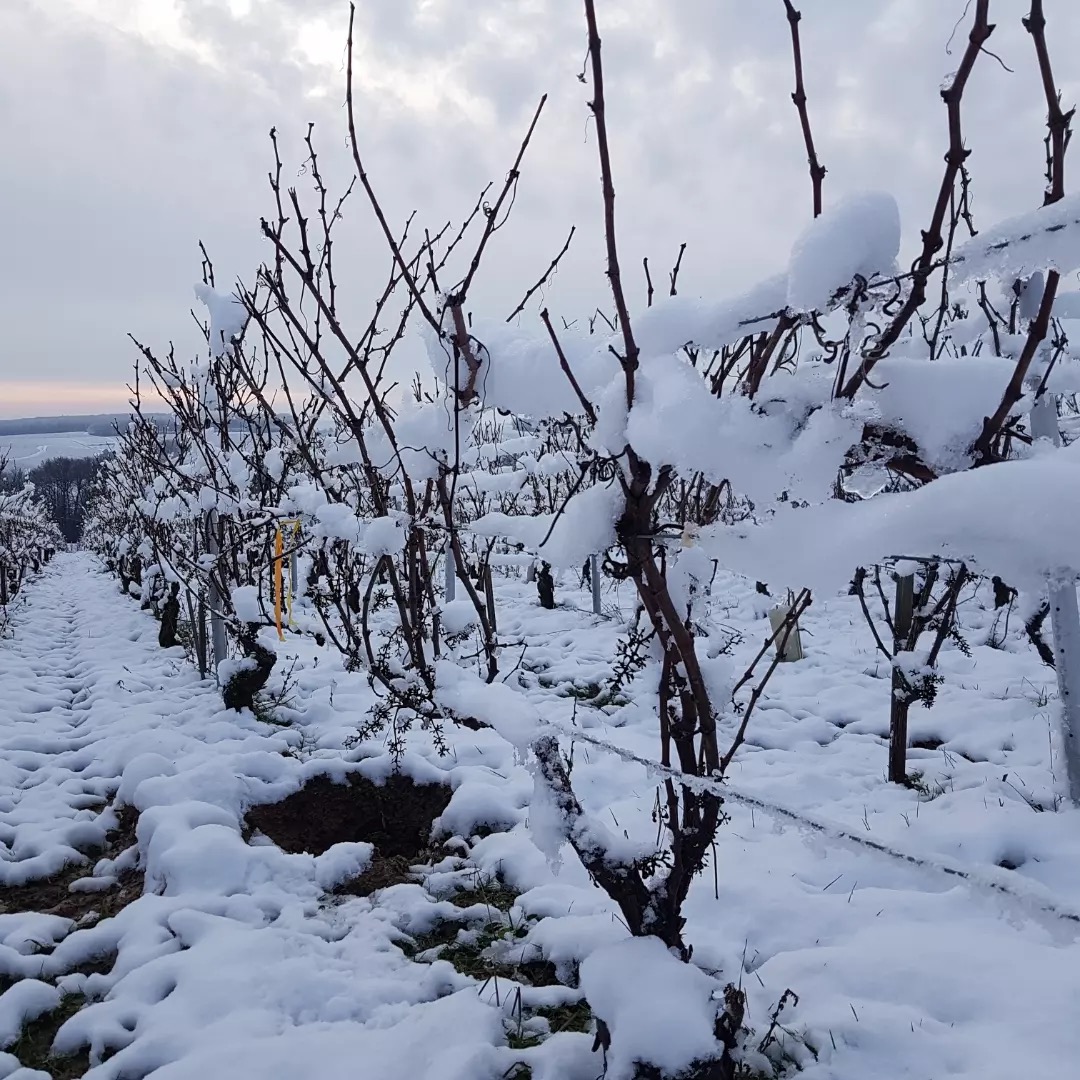
In spring, young buds fear frost. To protect them, we water the vines by sprinkling as soon as the thermometer reads -1°C. The buds are then trapped in a forming cap of ice that keeps the temperature around the bud at 0°C until the ice melts.
Summer

Summer

Vine growth

The vine grows quickly, very quickly. It must be guided between the trellising wires and trimmed to obtain a trained, trimmed vine, so that we can pass between the rows.

From flower to grape

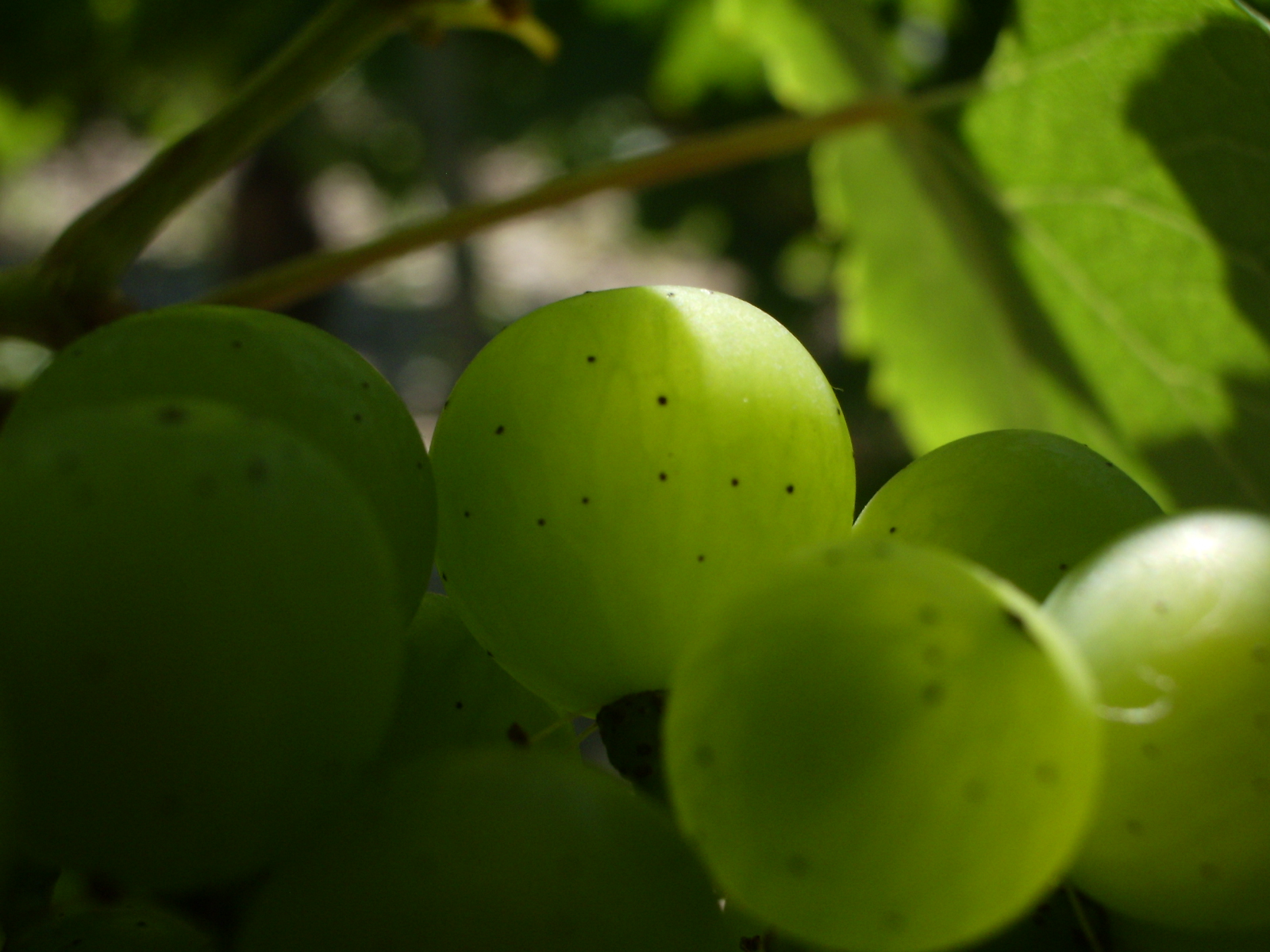
In early June the inflorescences prepare to flower: flowering, stamens appear, the first berries form. The berries swell to become grapes. In July-August comes veraison; under the sun, the vines spread their leaves to feed the grapes until the harvest.

Autumn

Autumn

Harvest, from vine to cellar

In September the grapes are ripe and the harvest can begin. The harvesting machine comes into action after checking ripeness with a refractometer. The press is loaded by conveyor belt, and the juice flows by gravity to the settling tank.

In the cellar

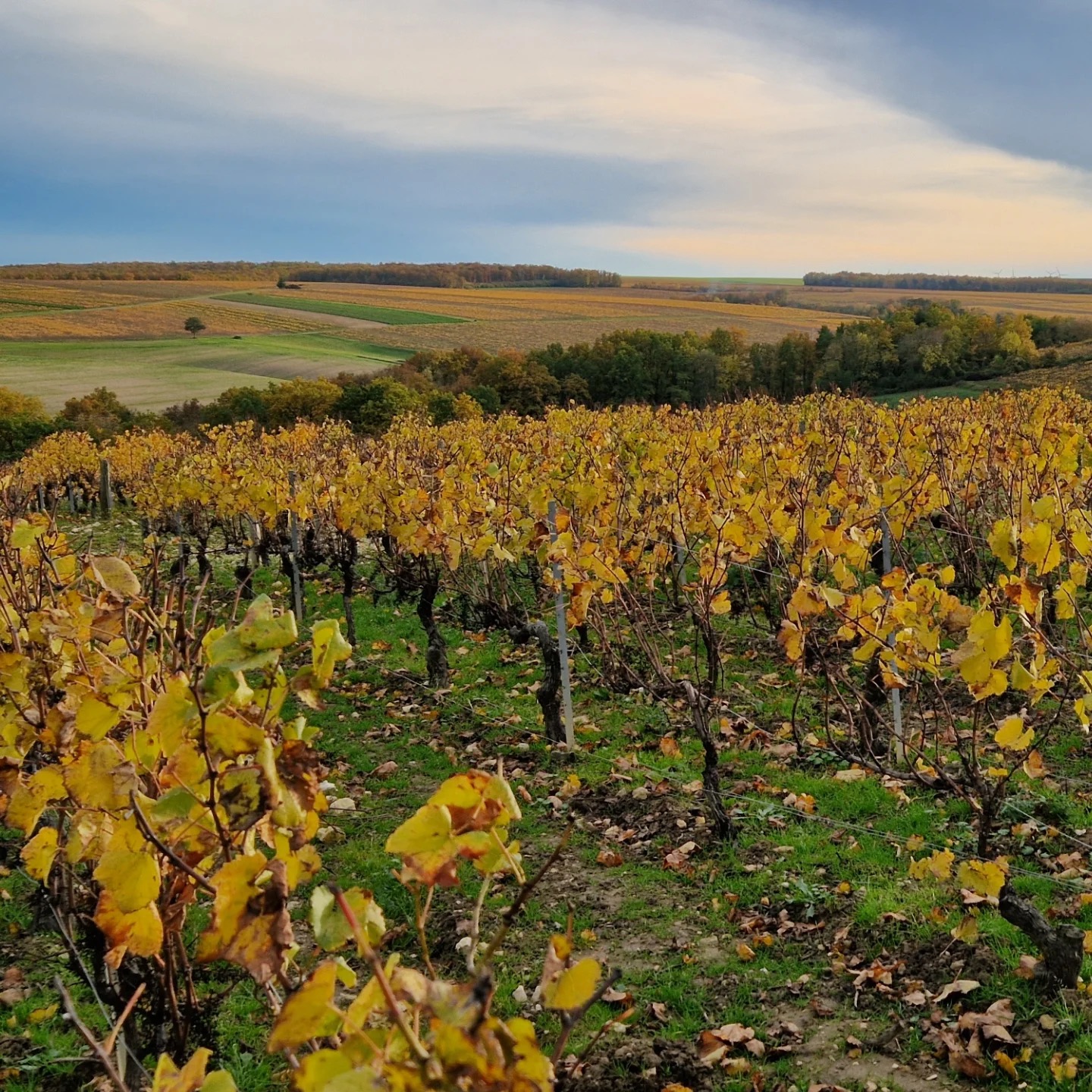
After a day, the impurities settle and are removed: this is settling (débourbage). The clear juice is put to ferment, monitored with a mustimeter. In late September the vines turn gold; in October, the views over Chablis and Lignorelles.

Winter

Winter

Vegetative rest

It is pruning time. Tendrils and buds are dormant. We pull the wood and burn the prunings.

At the estate right now

News & Awards


2025: aromas and typicity

2025 was a contrasting year climatically: an early start to the vegetation, a cool spring then heat in June, a cooler July, a heatwave in August followed by cool, rainy weather in early September… we went through every kind of weather!

The result: a magnificent vintage for its balance, giving us aromatic wines with a very present mineral expression: the expression of the Chablis terroirs.

The 2025 Chablis wines have a frank expression, with superb minerality, making them very food-friendly wines. They enhance fish dishes, lift white meats and shine with cheese.

Press & Awards

2024
  • Chablis 2024 — Bronze medal, Concours Général Agricole Paris 2026
  • Chablis Premier Cru Mont de Milieu 2024 — Bronze medal, Concours Général Agricole Paris 2026
  • ⭐Guide Hachette 2026 — One star for the Chablis Premier Cru Mont de Milieu 2021
2023
  • Bourgogne Épineuil Côte de Grisey 2023 — Gold medal, Concours des Vignerons Indépendants de France 2025
  • Chablis Premier Cru Fourchaume 2023 — Gold medal, Concours Général Agricole Paris 2025
  • ⭐Guide Hachette — One star for the Petit Chablis, Chablis, Bourgogne Épineuil and Chablis Premier Cru Fourchaume, 2023 vintage

Yonne: eat, sleep, visit


Partner restaurants in the Yonne Restaurants
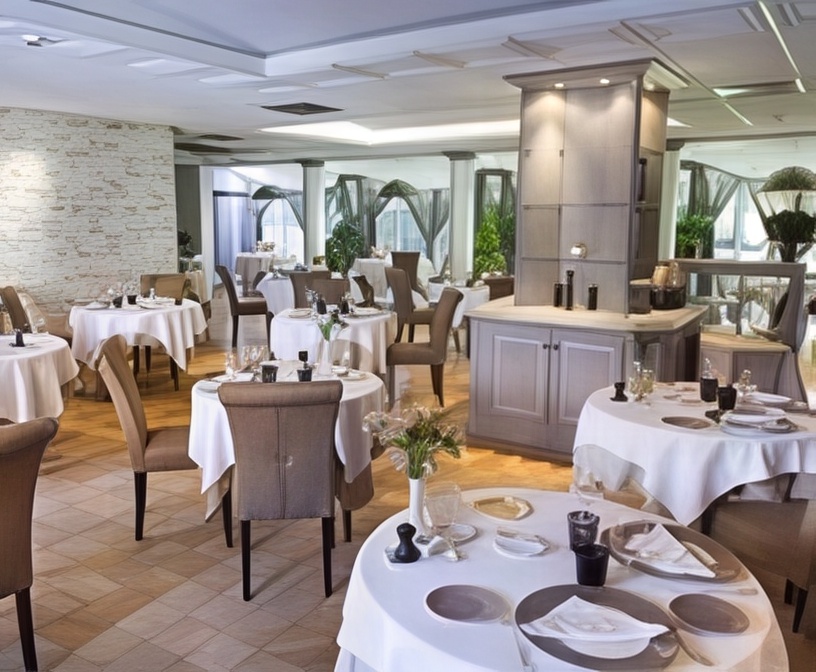
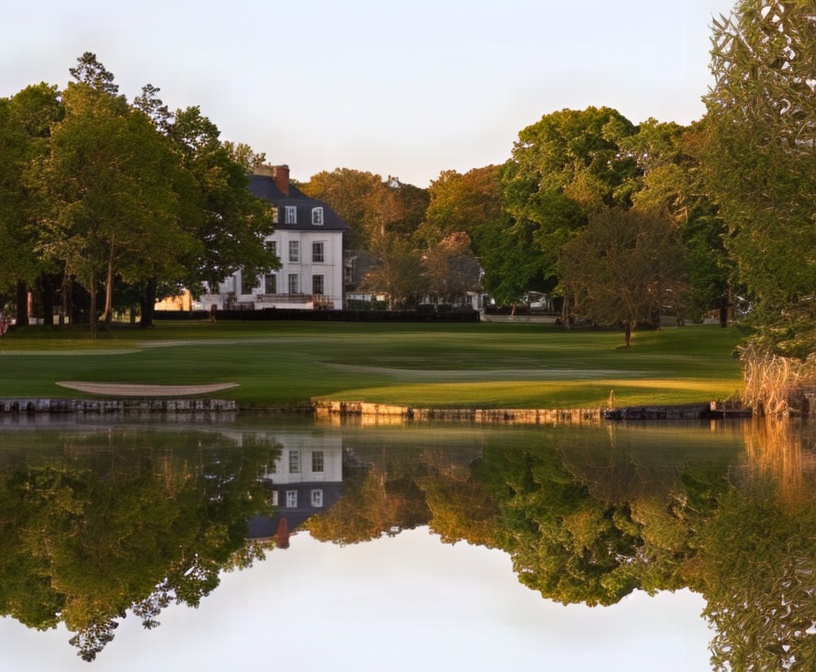
  • Le Soleil d'Or Hotel-restaurant in Montigny-la-Resle (3 km from the estate), generous, tasty cuisine, Logis de France.
    3 route d'Auxerre, 89230 Montigny-la-Resle — Tel: +33 3 73 53 09 10
  • L'Hostellerie des Clos / Le Bistrot des Grands Crus Chablis (10 km from the winery), bistro-style during the week, gastronomic at weekends.
    18 rue Jules Rathier, 89800 Chablis — Tel: +33 3 86 42 10 63 · contact@hostellerie-des-clos.fr
  • Minéral Bistro-style restaurant in Chablis.
    10 rue Jules Rathier, 89800 Chablis — Tel: +33 3 86 81 45 32
  • J'MCA Restaurant in Coulanges-la-Vineuse (30 km from the winery), traditional, generous cuisine.
    12 rue André Vildieu, 89580 Coulanges-la-Vineuse — Tel: +33 3 86 34 33 41
  • Le Soufflot Artisan restaurateur in Irancy (20 km from the estate), terroir cuisine.
    33 rue Soufflot, 89290 Irancy — Tel: +33 3 86 42 39 00 · romain.favre@restaurant-irancy.fr
Accommodation in the Yonne Accommodation
  • Le Soleil d'Or89230 Montigny-la-Resle — Tel: +33 3 86 41 81 21 · le-soleil-dor@wanadoo.fr
  • L'Hostellerie des Clos18 rue Jules Rathier, 89800 Chablis — Tel: +33 3 86 42 10 63
  • Gîte le VaudésirM. Pierre Jovignot, 8 B rue de la Vicomté, 89144 Ligny-le-Châtel — Tel: +33 3 86 47 42 96

To visit, to do

  • Within 10 km: horse riding in the vines (departing from Lignorelles); Cistercian abbey of Pontigny (6 km); Chablis (10 km) and its vineyard.
  • Within 35 km: Auxerre (15 km) and the vineyards of the Yonne valley (Côtes d'Auxerre, Chitry, Irancy, Saint-Bris-le-Vineux, Coulanges-la-Vineuse); Joigny and its Côte Saint-Jacques vineyard; Tonnerre (23 km) and the Tonnerrois; the medieval village of Noyers-sur-Serein (25 km); Ancy-le-Franc (40 km), Tanlay (33 km), Épineuil vineyard (30 km).
  • Within 50 km: Vézelay; Avallon at the gates of the Morvan; the prehistoric caves of Arcy-sur-Cure; the underground quarry of Aubigny; the medieval building site of Guédelon; the château de Saint-Fargeau; the town of Sens.

In France: where to find our wines

Partner restaurants

  • La Cigale (Nantes, 44)
  • Le Carré du Hélin (Ennevelin, 59)
  • Les Marches (Paris 16)
  • Chez Fernand Christine (Paris 6)
  • La Kontxa (Paris)

Partner wine shops

  • North: L'Amoureux du Vin (Saint-Quentin, 02)
  • Paris area: Chai N°17 (Saint-Ouen-sur-Seine, 93); Effervinsence (Paris 12); Archibon (Paris 9); La Cave Bleue (Paris 20); Frenchie (Paris 2)
  • East: Théâtre du Vin (Strasbourg, 67); Caves Gilles (Dombasle-sur-Meurthe, 54); Clos 3/4 (Illzach, 68)
  • Rhône-Alpes: Aux vignes de Montchat (Lyon 69); Les Caves du Grand Perrache (Lyon 69); Le Cellier Neuvillois (Neuville-sur-Saône, 69)
  • West: Les Celliers de Grandlieu (44); Vino Quimperlé (29); Vino Caudan (56)
  • South-West: Vins sur 20 (Caussade, 82)
  • South-East: Le Bouchon (Ollioules, 83); Cave de Thierry (06)